

Hey there! As a medical bandage supplier, I've seen firsthand how important it is to clean a wound properly before slapping on a bandage. It's not just about covering up the cut; it's about preventing infections and promoting healing. So, let's dive into the proper way to clean a wound before applying a medical bandage.
First things first, you gotta gather your supplies. You'll need some clean water, mild soap, sterile gauze pads, and of course, the right medical bandage for the job. We offer a variety of bandages at our store, like the Medical Elastic Bandage, Medical Pet Bandage, and Medical Gauze Bandage. Each type has its own unique features and uses, so make sure to choose the one that suits your needs.
Once you've got your supplies ready, it's time to wash your hands. This might seem like a no-brainer, but it's crucial to prevent introducing more germs to the wound. Use warm water and mild soap, and scrub your hands for at least 20 seconds. Pay special attention to your fingertips, nails, and the backs of your hands. Rinse thoroughly and dry with a clean towel.
Now, it's time to take a look at the wound. If it's a minor cut or scrape, you can usually clean it at home. But if it's a deep wound, bleeding heavily, or shows signs of infection (like redness, swelling, or pus), it's best to seek medical attention right away.
For minor wounds, start by running the wound under cool, running water. This helps to flush out any dirt, debris, or bacteria that might be in the wound. Keep the water running for at least 5 minutes. If the wound is on a hard-to-reach area, you can use a clean cup or syringe to pour water over it.
After rinsing the wound, it's time to use mild soap. Apply a small amount of soap to a clean gauze pad or your fingers, and gently clean the area around the wound. Be careful not to get soap directly in the wound, as this can cause irritation. Rinse the area thoroughly with water to remove all the soap.
Once the wound is clean, pat it dry with a clean gauze pad or a soft towel. Avoid rubbing the wound, as this can damage the delicate skin and cause more bleeding.
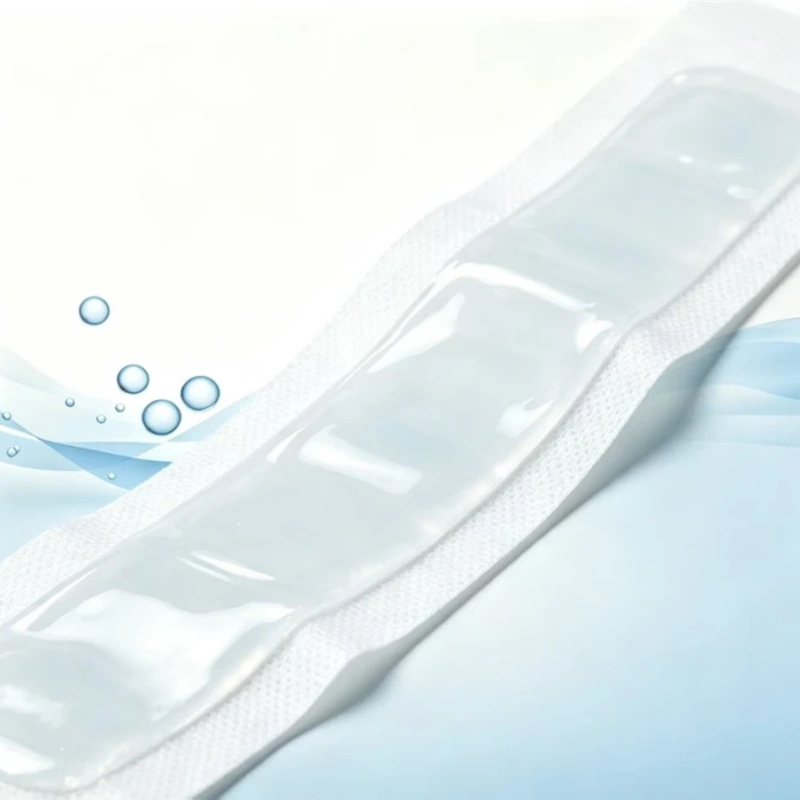
Now, it's time to apply the medical bandage. Before you do that, make sure the bandage is the right size and type for the wound. If it's a small cut or scrape, a simple adhesive bandage might be enough. But for larger wounds or wounds that need more support, you might need a Medical Elastic Bandage or a Medical Gauze Bandage.
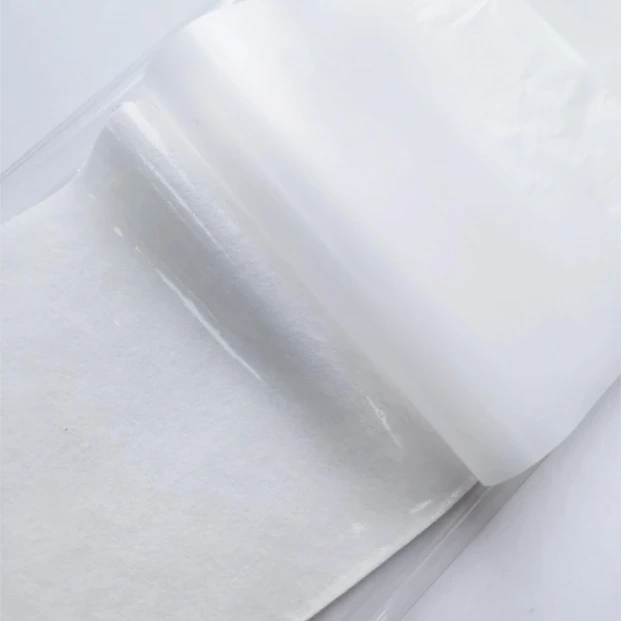
If you're using an adhesive bandage, peel off the backing and place it over the wound. Press down gently to make sure it sticks. If you're using a gauze bandage, cut it to the appropriate size and place it over the wound. Use medical tape or a wrapping to secure the bandage in place.
It's important to change the bandage regularly to keep the wound clean and prevent infection. For minor wounds, you can change the bandage once a day. For larger or more serious wounds, you might need to change it more often.
In addition to cleaning the wound and applying a bandage, there are a few other things you can do to promote healing. Make sure to keep the wound elevated to reduce swelling. Avoid touching the wound with dirty hands, and try to keep it covered as much as possible.
If you have any questions or need more information about wound care or our medical bandages, don't hesitate to reach out. We're here to help you find the right products for your needs. Whether you're a healthcare professional, a pet owner, or just someone looking to take care of a minor wound at home, we've got you covered.
So, there you have it – the proper way to clean a wound before applying a medical bandage. Remember, taking care of a wound properly is the first step towards a quick and healthy recovery. If you're in the market for high-quality medical bandages, check out our selection at Medical Elastic Bandage, Medical Pet Bandage, and Medical Gauze Bandage. And if you're interested in purchasing in bulk or have any special requirements, feel free to contact us for a quote. We're always happy to help you find the best solutions for your wound care needs.
References
- American Academy of Dermatology. (n.d.). How to treat a cut or scrape. Retrieved from https://www.aad.org/public/everyday-care/injured-skin/treat-cut-scrape
- Mayo Clinic. (n.d.). Wound care: How to care for a wound. Retrieved from https://www.mayoclinic.org/first-aid/first-aid-wounds/basics/art-20056811