

Hey there! I'm a supplier of pain relief patches, and I often get asked how these patches stack up against physical therapy. It's a great question, so I thought I'd break it down for you in this blog post.
What Are Pain Relief Patches?
Pain relief patches are those handy little stickers you can slap on your skin to help ease pain. They're made with various ingredients that work in different ways. Some patches have herbal extracts, like menthol or camphor, which create a cooling or warming sensation that can distract from the pain. Others might have medications that get absorbed through the skin to target the pain directly.
For example, our Lumbar Pain Relief Patch is designed specifically for lower back pain. It's got a blend of natural ingredients that soothe the muscles and reduce inflammation. And if you're dealing with knee pain, our Knee Pain Relief Patch can be a real game-changer. It's flexible and adheres well to the knee area, providing long - lasting relief.
What Is Physical Therapy?
Physical therapy is a more hands - on approach to pain management. It involves working with a trained physical therapist who will assess your condition, figure out the root cause of your pain, and then create a personalized treatment plan. This plan might include exercises to strengthen muscles, improve flexibility, and correct posture. Therapists also use techniques like massage, stretching, and sometimes even electrical stimulation to help with pain and recovery.
Ease of Use
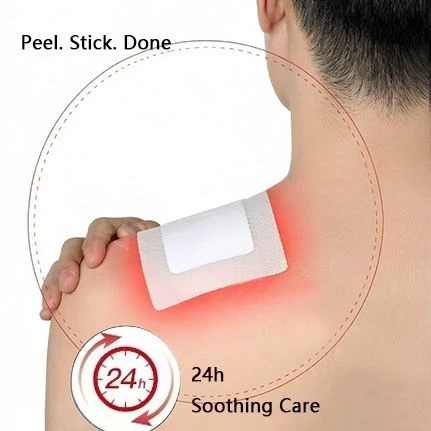
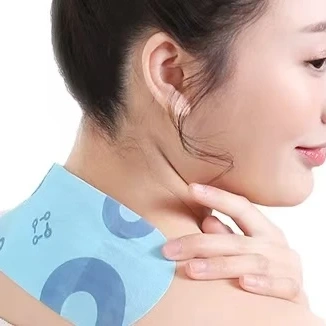
One of the biggest advantages of pain relief patches is how easy they are to use. You don't need to make an appointment with a professional or go to a special clinic. You can just stick a patch on whenever and wherever you need it. Whether you're at work, home, or on the go, it's a quick and convenient way to get some pain relief. For instance, if you have a busy day at the office and your shoulders start to ache, you can simply put on a Shoulder Pain Relief Patch and keep going.
On the other hand, physical therapy requires more time and effort. You have to schedule regular appointments, which can be a hassle, especially if you have a tight schedule. And you need to travel to the therapist's office, which takes up even more time.
Cost
Cost is another factor to consider. Pain relief patches are generally more affordable. You can buy a pack of patches for a relatively low price, and they can last for several applications. Since they're readily available over - the - counter, you don't have to worry about expensive doctor's visits or insurance approvals.
Physical therapy, however, can be quite costly. Each session with a physical therapist can cost a significant amount of money, and if you need multiple sessions over a long period, the expenses can really add up. Insurance might cover some of the cost, but there could still be out - of - pocket expenses for you.
Effectiveness
When it comes to effectiveness, it depends on the type and severity of the pain. For mild to moderate pain, pain relief patches can be very effective. They can provide quick relief by numbing the area, reducing inflammation, and relaxing the muscles. For example, a Neck Pain Relief Patch can often ease the discomfort caused by sitting at a desk for too long or sleeping in an awkward position.
But for more severe or chronic pain, physical therapy might be a better option. Physical therapists can address the underlying causes of the pain, such as muscle imbalances or joint problems. They can help you improve your overall physical function and prevent future injuries. For example, if you have a sports - related injury, a physical therapist can design a rehabilitation program that gradually restores your strength and mobility.
Side Effects
Pain relief patches are generally safe to use, but they can have some side effects for certain people. Some folks might experience skin irritation, like redness, itching, or a rash, where the patch is applied. This is usually due to an allergic reaction to one of the ingredients in the patch.
Physical therapy also has its own set of potential side effects. Sometimes, the exercises or treatments can cause temporary soreness or discomfort. There's also a small risk of injury if the therapist doesn't perform the techniques correctly or if you overdo the exercises.
Long - Term Impact
Pain relief patches are great for short - term pain management. They can give you immediate relief when you need it, but they don't necessarily address the root cause of the pain. So, if you keep using patches without treating the underlying problem, the pain might keep coming back.
Physical therapy, on the other hand, focuses on long - term solutions. By working with a therapist to improve your physical condition, you can reduce the likelihood of future pain and injuries. It can also enhance your overall quality of life by improving your strength, flexibility, and mobility.
When to Use Which
If you have a minor, acute pain, like a muscle strain from working out or a headache, a pain relief patch like our Medical Cooling Patch can be a great first choice. It's easy to use, cost - effective, and can provide quick relief.
But if you have a long - standing or severe pain, especially if it's affecting your daily activities, it's a good idea to consider physical therapy. A physical therapist can help you get to the bottom of the problem and develop a comprehensive treatment plan.
Wrapping It Up
In conclusion, both pain relief patches and physical therapy have their pros and cons. Pain relief patches are convenient, affordable, and great for quick, short - term relief. Physical therapy, on the other hand, is more effective for long - term pain management and addressing the root causes of pain.
If you're interested in our pain relief patches for your business, we're here to discuss procurement. We've got a wide range of high - quality patches that can meet different customer needs. Whether you're a retailer, a distributor, or a healthcare provider, we're open to working with you. Just reach out, and we can start that conversation.
References
- "Musculoskeletal Pain Management: A Comparison of Non - Pharmacological Approaches." Journal of Pain Research.
- "The Use of Topical Analgesics in Pain Management." American Journal of Medicine.
- "Physical Therapy: Principles and Practice." A textbook on the principles and common practices of physical therapy.