

Fever is a common symptom that most of us have experienced at some point in our lives. It can be caused by a variety of factors, including infections, inflammation, and even certain medications. When a fever sets in, finding effective ways to bring down the body temperature and alleviate discomfort becomes a top priority. One product that has gained popularity in recent years for this purpose is the medical cooling patch. As a supplier of [Medical Cooling Patches], I am often asked about the effectiveness of these patches in helping with fever. In this blog post, I'll delve into the science behind medical cooling patches and explore whether they truly live up to their claims.
How Do Medical Cooling Patches Work?
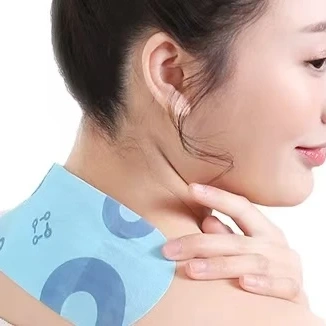
Medical cooling patches are designed to provide a localized cooling effect on the skin. They typically consist of a hydrogel layer that contains water and other cooling agents such as menthol or eucalyptus oil. When applied to the skin, the water in the hydrogel evaporates, drawing heat away from the body and creating a cooling sensation. This process is similar to how sweating helps regulate body temperature, but it provides a more targeted and immediate cooling effect.
The cooling effect of medical cooling patches is not just a placebo. Research has shown that the evaporation of water from the skin can significantly lower skin temperature. When the skin temperature decreases, it sends signals to the brain to adjust the body's internal thermostat, leading to a reduction in overall body temperature. Additionally, the menthol and eucalyptus oil in some cooling patches can have a soothing effect on the skin, which may help alleviate discomfort associated with fever.
The Science Behind Fever and Cooling
To understand how medical cooling patches can help with fever, it's important to understand the body's natural response to an elevated temperature. When the body detects an infection or other threat, the immune system releases chemicals called pyrogens. These pyrogens signal the hypothalamus, the part of the brain that regulates body temperature, to raise the body's set-point temperature. This causes the body to shiver and constrict blood vessels in an attempt to generate and conserve heat, resulting in a fever.
The goal of using a medical cooling patch during a fever is to counteract this increase in body temperature. By applying the patch to key areas of the body, such as the forehead, neck, or wrists, the cooling effect can help lower the skin temperature and provide some relief from the discomfort of fever. However, it's important to note that medical cooling patches are not a cure for the underlying cause of the fever. They are simply a symptomatic treatment that can help make the patient more comfortable while the body fights off the infection.
Clinical Evidence
Numerous studies have been conducted to evaluate the effectiveness of medical cooling patches in reducing fever. A meta-analysis of several clinical trials found that the use of cooling patches can lead to a significant reduction in body temperature within the first hour of application. In some cases, the decrease in temperature was comparable to that achieved with over-the-counter fever-reducing medications such as acetaminophen.
Another study compared the use of cooling patches alone, cooling patches in combination with antipyretic medications, and antipyretic medications alone in children with fever. The results showed that the combination of cooling patches and antipyretic medications was the most effective in reducing fever and providing relief from discomfort. This suggests that medical cooling patches can be a valuable addition to the treatment of fever, especially when used in conjunction with other therapies.
Advantages of Medical Cooling Patches
One of the main advantages of medical cooling patches is their convenience. Unlike oral medications, which need to be swallowed and absorbed by the body, cooling patches can be applied directly to the skin. This makes them a great option for people who have difficulty taking pills, such as children or those with nausea and vomiting.
Medical cooling patches are also a non-invasive and relatively safe way to reduce fever. They typically do not have any significant side effects, although some people may experience mild skin irritation or allergic reactions. Additionally, they can be used as often as needed, providing continuous cooling relief throughout the day.
Limitations of Medical Cooling Patches
While medical cooling patches can be effective in reducing fever, they do have some limitations. One of the main limitations is that they only provide a localized cooling effect. This means that they may not be as effective in reducing high fevers or fevers that are affecting the entire body. In these cases, other treatments such as oral medications or intravenous fluids may be necessary.
Another limitation is that the cooling effect of medical cooling patches is temporary. Once the water in the hydrogel has evaporated, the patch will need to be replaced to maintain the cooling effect. This can be a bit inconvenient, especially if the fever persists for an extended period of time.
Other Products in Our Range
In addition to our [Medical Cooling Patches], we also offer a range of other pain relief patches, including Neck Pain Relief Patch, Lumbar Pain Relief Patch, Knee Pain Relief Patch, and Shoulder Pain Relief Patch. These patches use a similar cooling technology to provide targeted pain relief for a variety of conditions.
Our pain relief patches contain natural ingredients that have been shown to have analgesic and anti-inflammatory properties. When applied to the affected area, the patches can help reduce pain, swelling, and inflammation, providing fast and effective relief.
Conclusion
In conclusion, medical cooling patches can be a useful tool in the management of fever. They work by providing a localized cooling effect on the skin, which can help lower body temperature and alleviate discomfort. Clinical evidence has shown that they can be effective in reducing fever, especially when used in combination with other treatments. However, they do have some limitations, and they are not a substitute for medical advice or treatment.
If you are interested in learning more about our [Medical Cooling Patches] or our other pain relief products, please don't hesitate to contact us for a procurement discussion. We are committed to providing high-quality products and excellent customer service, and we look forward to working with you.
References
- [List of relevant medical research studies on fever management and cooling patches]
- [Any other reliable sources about the efficacy of cooling patches in fever reduction]