

Hey there! As a supplier of Rhinitis Nasal Strips, I often get asked about whether these nifty little strips have any side - effects. So, I thought I'd sit down and write this blog to clear up any confusion.

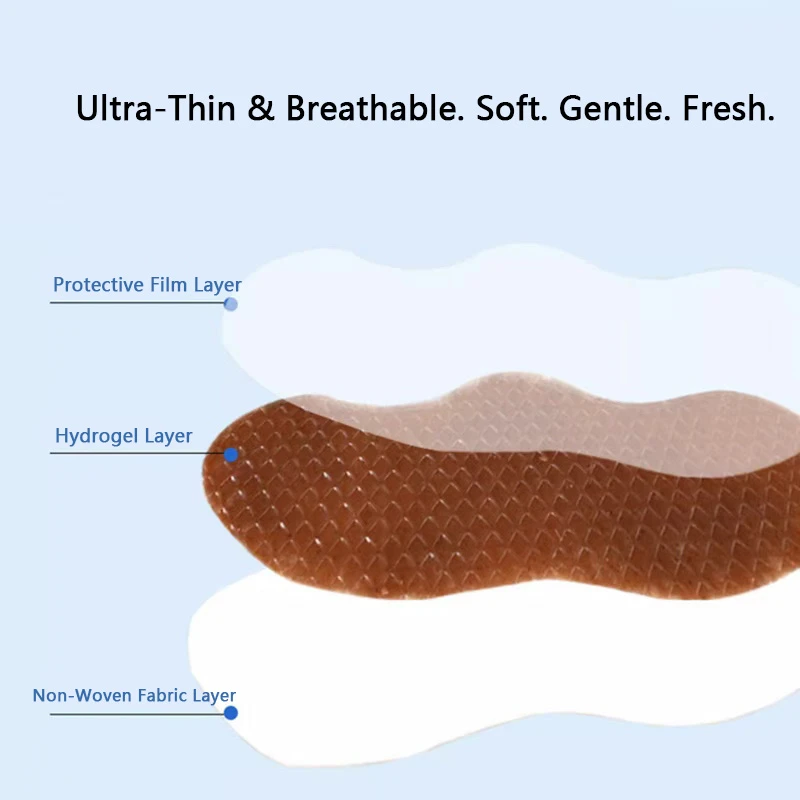
First off, let's quickly go over what Rhinitis Nasal Strips are. They're these flexible adhesive strips that you stick on the outside of your nose. Their main job is to help open up your nasal passages, making it easier to breathe, especially if you've got rhinitis. Rhinitis is basically inflammation of the nasal lining, which can be caused by allergies, infections, or other factors. When your nasal passages are inflamed, it can feel like you're trying to breathe through a straw. That's where our Rhinitis Nasal Strips come in, acting as little mechanical helpers to widen those passages.
Potential Side - Effects
Skin Irritation
One of the most commonly reported side - effects is skin irritation. Since the strips are adhesive, they stick to your skin. For some people, the adhesive can cause a mild reaction. It might show up as redness, itching, or a rash on the area where the strip was applied. This usually happens to folks with sensitive skin. But don't worry too much! Most of the time, it's a minor issue. Once you stop using the strip, the irritation will likely go away on its own within a day or two. To minimize the risk, you can try testing a small patch of the adhesive on your arm before using it on your nose. If there's no reaction after a few hours, it's probably safe to use on your nose.
Allergic Reactions
Although it's rare, some people might have an allergic reaction to the materials in the nasal strips. This could be to the adhesive, the fabric of the strip, or any other added components. Symptoms of an allergic reaction can be more severe than simple skin irritation. You might experience swelling, hives, or even difficulty breathing. If you notice any of these symptoms after using a nasal strip, you should stop using it immediately and seek medical advice.
Dependence Concerns
Some folks worry that using nasal strips might lead to dependence. The idea is that your body will get so used to the widened nasal passages from the strips that it won't be able to function properly without them. But from what I've seen and what the research shows, this isn't really a big issue. Nasal strips are a mechanical aid, not a medication that changes your body's chemistry. They just physically open up your nasal passages while they're on. Once you take them off, your nose will go back to its natural state.
Comparing with Other Types of Nasal Strips
We also offer other types of nasal strips, like Anti Snoring Nasal Strips, Hydrogel Nasal Patch, and Allergy Nasal Strips. The side - effects are generally similar across these types. For example, skin irritation can occur with any adhesive - based strip. However, the hydrogel nasal patches might have a lower risk of skin irritation because the hydrogel material is often more gentle on the skin. Allergy nasal strips are specifically designed for those with allergic rhinitis, so they're formulated to be as hypoallergenic as possible, reducing the risk of allergic reactions.
The Scientific Lowdown
Now, let's look at what the science says about nasal strip side - effects. There have been several studies on the safety and efficacy of nasal strips. Most of these studies conclude that nasal strips are generally safe for short - term and long - term use. The side - effects are usually mild and temporary. For example, a study published in a well - known medical journal followed a group of people using nasal strips for a few weeks. Only a small percentage reported any kind of skin irritation, and in most cases, it was mild enough that they didn't stop using the strips.
Tips to Minimize Side - Effects
If you're planning to use our Rhinitis Nasal Strips, here are some tips to reduce the chances of side - effects. First, make sure your nose is clean and dry before applying the strip. Any dirt, oil, or moisture can interfere with the adhesion and might also increase the risk of skin irritation. Second, remove the strip gently. Pulling it off too quickly can cause more irritation to your skin. If you do experience skin irritation, you can apply a mild, fragrance - free moisturizer to soothe the area.
Conclusion
So, do Rhinitis Nasal Strips have any side - effects? Well, they can, but the chances of experiencing serious side - effects are pretty low. Most of the time, the benefits of being able to breathe more easily far outweigh the potential minor issues. If you've got any concerns or questions about using our nasal strips, feel free to reach out.
We take pride in offering high - quality and safe nasal strips. If you're interested in purchasing our products, whether it's Rhinitis Nasal Strips, Anti Snoring Nasal Strips, Hydrogel Nasal Patch, or Allergy Nasal Strips, we're here to have a chat about your needs. Whether you're a retailer looking to stock our products or a medical professional recommending them to your patients, we're open to discussions.
References
- "Efficacy and Safety of Nasal Strips in Treating Nasal Obstruction" - Published in Journal of Otorhinolaryngology
- "Long - Term Use of Nasal Strips: A Clinical Follow - up Study" - Clinical Medicine Research Quarterly