
Acne is a widespread skin condition that affects millions of people worldwide, regardless of age, gender, or ethnicity. It occurs when hair follicles become clogged with oil and dead skin cells, leading to the formation of pimples, blackheads, and whiteheads. While there are numerous treatments available for acne, from over-the-counter creams to prescription medications, the beauty industry has also introduced various products claiming to help with this skin woe, including hydrogel face masks. As a hydrogel face mask supplier, I am often asked whether these masks can truly assist in combating acne. In this blog, I will delve into the science behind hydrogel face masks and their potential benefits for acne-prone skin.
Understanding Hydrogel Face Masks
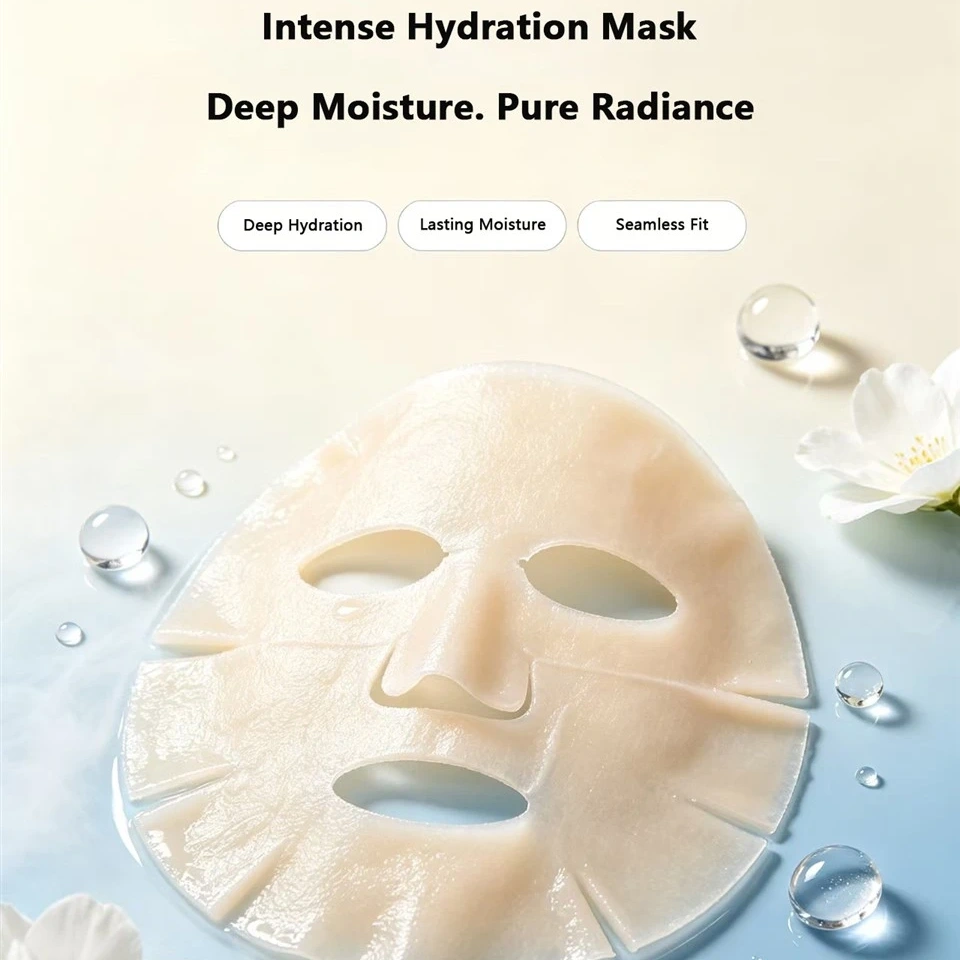
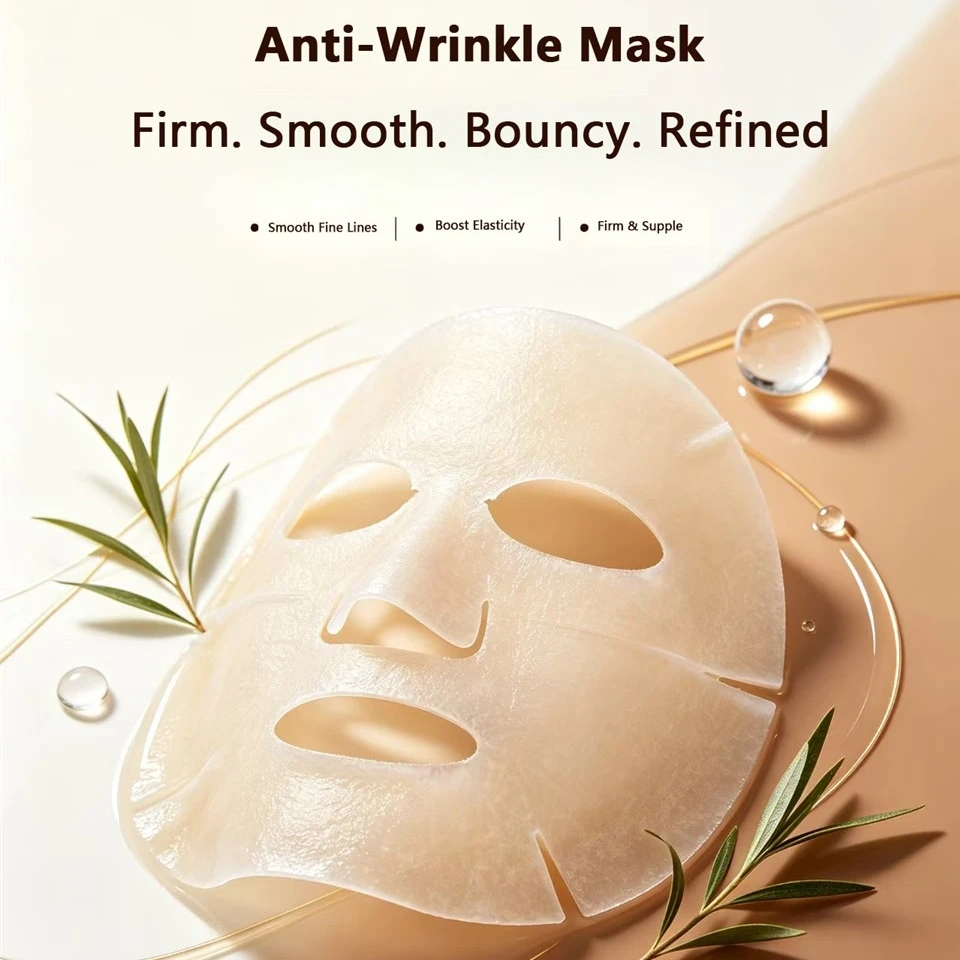
Hydrogel face masks are made from a unique polymer material that contains a high percentage of water. This gives them a jelly-like consistency, making them highly flexible and conformable to the contours of the face. Unlike traditional sheet masks, which are typically made from paper or cotton, hydrogel masks are able to hold a large amount of serum and deliver it directly to the skin.
The hydrogel material itself has several properties that make it beneficial for the skin. It has a cooling effect, which can help to soothe irritated skin and reduce inflammation. Additionally, the high water content of the mask helps to hydrate the skin, keeping it plump and supple. This is particularly important for acne-prone skin, as dry skin can actually trigger the production of more oil, leading to further breakouts.
How Hydrogel Face Masks Can Help with Acne
1. Reducing Inflammation
One of the primary causes of acne is inflammation. When the skin's pores become clogged, bacteria can multiply, leading to an immune response that causes redness, swelling, and pain. Hydrogel face masks can help to reduce inflammation in several ways. Firstly, the cooling effect of the mask can help to soothe irritated skin and calm the immune response. Secondly, many hydrogel masks are formulated with anti-inflammatory ingredients such as aloe vera, chamomile, and green tea. These ingredients have been shown to have anti-inflammatory properties and can help to reduce the redness and swelling associated with acne.
For example, our Soothing Repair Mask is formulated with aloe vera and chamomile extracts, which work together to soothe and repair irritated skin. The hydrogel material of the mask also helps to lock in moisture, preventing the skin from drying out and further reducing inflammation.
2. Controlling Oil Production
Excess oil production is another major contributor to acne. When the skin produces too much oil, it can clog pores and lead to the formation of pimples. Hydrogel face masks can help to control oil production by regulating the skin's sebum production. Some hydrogel masks are formulated with ingredients such as salicylic acid, witch hazel, and tea tree oil, which have been shown to have astringent properties and can help to reduce the amount of oil on the skin's surface.
Our Hydrogel Face Mask contains salicylic acid, which is a beta-hydroxy acid that can penetrate the pores and dissolve the oil and dead skin cells that cause acne. By removing these blockages, the mask helps to prevent new pimples from forming and can also improve the overall appearance of the skin.
3. Hydrating the Skin
As mentioned earlier, dry skin can actually trigger the production of more oil, leading to further breakouts. Therefore, it is important to keep the skin hydrated, even if it is acne-prone. Hydrogel face masks are an excellent way to hydrate the skin, as they are able to deliver a large amount of moisture directly to the skin's surface.
Our Moisturizing Facial Mask is formulated with hyaluronic acid, which is a powerful humectant that can hold up to 1000 times its weight in water. When applied to the skin, the hyaluronic acid in the mask helps to attract and retain moisture, leaving the skin feeling soft, smooth, and hydrated.
4. Improving Skin Texture
Acne can leave behind scars and marks, which can make the skin appear rough and uneven. Hydrogel face masks can help to improve the texture of the skin by promoting cell turnover and reducing the appearance of scars. Some hydrogel masks are formulated with ingredients such as glycolic acid, lactic acid, and vitamin C, which have been shown to have exfoliating and brightening properties.
Our Skin Lightening Mask contains vitamin C, which is a powerful antioxidant that can help to brighten the skin and reduce the appearance of dark spots and scars. The hydrogel material of the mask also helps to deliver the vitamin C directly to the skin, ensuring maximum absorption and effectiveness.
Choosing the Right Hydrogel Face Mask for Acne-Prone Skin
When choosing a hydrogel face mask for acne-prone skin, it is important to look for masks that are formulated with ingredients that are known to be effective against acne. Some key ingredients to look for include:
- Salicylic acid: A beta-hydroxy acid that can penetrate the pores and dissolve the oil and dead skin cells that cause acne.
- Benzoyl peroxide: An antibacterial agent that can help to kill the bacteria that cause acne.
- Aloe vera: A plant extract that has anti-inflammatory and soothing properties.
- Chamomile: A plant extract that has anti-inflammatory and calming properties.
- Green tea: A plant extract that has antioxidant and anti-inflammatory properties.
- Tea tree oil: An essential oil that has antibacterial and anti-inflammatory properties.
It is also important to avoid masks that contain ingredients that can irritate the skin, such as fragrances, dyes, and alcohol. These ingredients can cause further inflammation and make acne worse.
Incorporating Hydrogel Face Masks into Your Skincare Routine
To get the most out of your hydrogel face masks, it is important to incorporate them into your skincare routine correctly. Here are some tips on how to use hydrogel face masks effectively:
- Cleanse your skin: Before applying a hydrogel face mask, it is important to cleanse your skin thoroughly to remove any dirt, oil, and makeup. This will help to ensure that the mask can penetrate the skin and deliver its active ingredients effectively.
- Exfoliate your skin: Exfoliating your skin once or twice a week can help to remove dead skin cells and unclog pores. This will help to improve the effectiveness of the hydrogel face mask and prevent new pimples from forming.
- Apply the mask: Once your skin is clean and exfoliated, apply the hydrogel face mask to your face and leave it on for the recommended amount of time (usually 15-20 minutes). Make sure to follow the instructions on the mask carefully.
- Remove the mask: After the recommended time has passed, remove the mask from your face and discard it. Gently pat any remaining serum into your skin.
- Moisturize your skin: Finally, apply a moisturizer to your skin to lock in the moisture and keep your skin hydrated.
Conclusion
In conclusion, hydrogel face masks can be a valuable addition to your skincare routine if you have acne-prone skin. They can help to reduce inflammation, control oil production, hydrate the skin, and improve skin texture. However, it is important to choose the right hydrogel face mask for your skin type and to use it correctly to get the most out of it.
If you are interested in learning more about our hydrogel face masks or would like to discuss a potential purchase, please feel free to contact us. We are always happy to answer any questions you may have and to provide you with more information about our products.
References
- American Academy of Dermatology Association. (n.d.). Acne. Retrieved from https://www.aad.org/diseases/acne
- National Institute of Arthritis and Musculoskeletal and Skin Diseases. (2021). Acne. Retrieved from https://www.niams.nih.gov/health-topics/acne
- Wertz, P. W., & Downing, D. T. (1982). The function of sebum. Journal of Investigative Dermatology Symposium Proceedings, 1(1), 27-31.