
Are there any age restrictions for using Rhinitis Nasal Strips?
As a supplier of Rhinitis Nasal Strips, I am frequently asked about the age - appropriateness of these products. Since nose congestion associated with rhinitis can affect individuals across all age groups, it's crucial to understand if there are limitations on who can use these strips.
Understanding Rhinitis and Nasal Strips
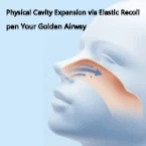
Rhinitis is an inflammation of the nasal mucosa. It can be caused by various factors such as allergies, irritants in the environment, or infections. The symptoms often include nasal congestion, runny nose, sneezing, and itching. Rhinitis Nasal Strips Rhinitis Nasal Strips offer a non - medicinal way to relieve nasal congestion. They work by physically pulling open the nasal passages, which helps increase the airflow through the nose and makes breathing easier.
Suitable Age Groups
Infants and Toddlers
For infants under the age of 2, it is generally not recommended to use Rhinitis Nasal Strips. Infants' nasal passages are very delicate and small. The adhesive used in nasal strips might be too strong for their sensitive skin, potentially causing skin irritation or damage. Additionally, there is a risk that an infant could accidentally remove the strip and put it in their mouth, leading to a choking hazard.
Toddlers between the ages of 2 and 3 still need careful consideration. Before using the strips, it's essential to consult a pediatrician. If the pediatrician approves, extra caution should be taken. The skin around the nose is still sensitive, so a test patch can be applied on a small area of the child's skin to check for any allergic reactions.

Children
Children aged 4 - 12 can typically use Rhinitis Nasal Strips safely. At this age, their nasal structures are more developed, and they are less likely to put the strips in their mouths. However, as with any new product, it's advisable for parents or guardians to supervise the use. Teach children how to properly apply and remove the strips to ensure they use them correctly.
It's also important to note that children may have different sensitivities. If a child experiences any discomfort, redness, or itching after using the strip, discontinue use immediately and consult a doctor.
Adolescents
Adolescents, from the age of 13 onwards, can generally use Rhinitis Nasal Strips without significant concerns. Their nasal passages are more similar to those of adults, and they are more likely to understand how to use the product safely. However, just like in other age groups, if there are any pre - existing nasal conditions or skin sensitivities, it's best to consult a medical professional.
Adults
Adults are the most common users of Rhinitis Nasal Strips. There are usually no age - related restrictions for adults. Whether it's due to allergic rhinitis from seasonal pollen, non - allergic rhinitis from dust or strong odors, or rhinitis caused by a cold, adults can benefit from the improved airflow provided by the strips.
Elderly
The elderly can also use Rhinitis Nasal Strips. However, their skin tends to be thinner and more fragile. When applying the strips, extra care should be taken to avoid causing skin damage. If the skin around the nose is already irritated, dry, or has open wounds, it's better to wait until the skin has healed before using the strips.
Comparison with Other Nasal Products
There are other types of nasal products on the market, and it's worth comparing them with Rhinitis Nasal Strips.
Allergy Nasal Strips are specifically designed for those suffering from allergic rhinitis. They often have similar mechanisms to Rhinitis Nasal Strips but may have additional features or materials to enhance their performance against allergens.
Anti Snoring Nasal Strips are aimed at people who snore. While they also work by widening the nasal passages, their design and marketing are more focused on reducing snoring rather than just relieving rhinitis symptoms.
Hydrogel Nasal Patch is another option. It uses hydrogel technology to provide a cooling or soothing effect in addition to opening the nasal passages. Each of these products has its own target audience and unique features.
Safety and Quality Assurance
As a supplier, we place a high emphasis on safety and quality. Our Rhinitis Nasal Strips are made from high - quality, hypoallergenic materials. The adhesive is designed to be gentle on the skin while still providing a firm hold. We conduct regular quality control checks to ensure that our products meet the highest standards.
Conclusion and Invitation to Contact
In conclusion, while there are some age - related considerations for using Rhinitis Nasal Strips, they can be a useful solution for a wide range of age groups. From children to the elderly, with proper precautions and, in some cases, medical advice, these strips can effectively relieve nasal congestion caused by rhinitis.
If you are interested in purchasing our Rhinitis Nasal Strips, whether you are a retailer looking to stock a high - quality product or a medical institution in need of nasal relief solutions, we welcome you to contact us for more information. We are ready to discuss how we can meet your procurement needs and provide the best possible products and services.
References
- Mayo Clinic Staff. "Rhinitis". Mayo Clinic. Accessed [insert date].
- American Academy of Pediatrics. Pediatric guidelines on nasal congestion treatments. Accessed [insert date].
- Medical Journal of Nasal Health. "Efficacy of nasal strips in different age groups". Accessed [insert date].