

Ensuring the proper adhesion of a medical cooling patch is crucial for its effectiveness in providing relief from pain and discomfort. As a supplier of high - quality medical cooling patches, I understand the importance of this aspect. In this blog, I will share some key factors and steps to guarantee that our medical cooling patches adhere well to the skin.
1. Understanding the Adhesive Mechanism
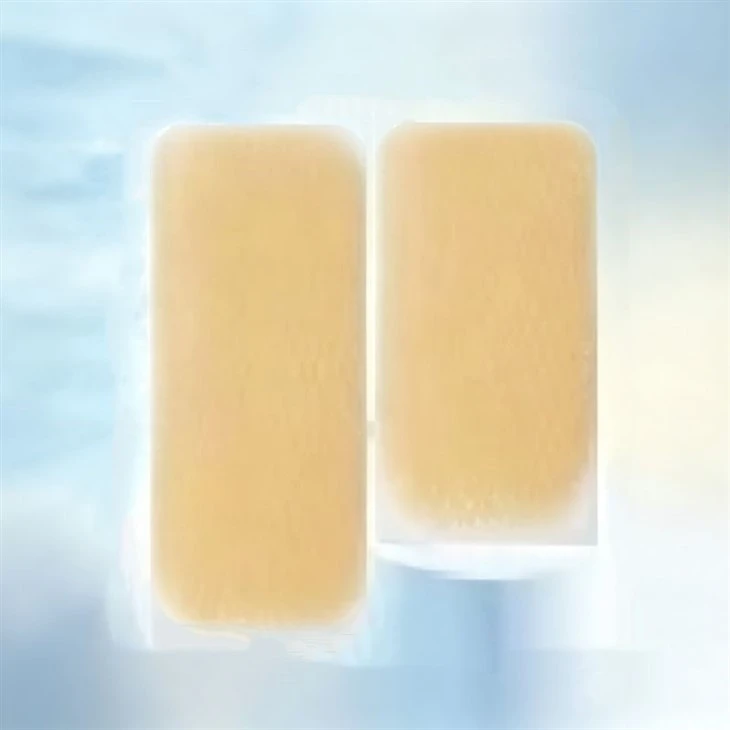
The first step in ensuring proper adhesion is to understand how the adhesive on our medical cooling patches works. Our patches are designed with a special medical - grade adhesive that is both strong enough to stay in place and gentle enough not to cause skin irritation. This adhesive forms a bond with the skin's surface through a combination of physical and chemical interactions.
Physically, the adhesive molecules interlock with the irregularities on the skin's surface. Chemically, certain groups in the adhesive can form weak bonds with the molecules on the skin. However, this bond can be affected by various factors such as skin condition, environmental factors, and application method.
2. Skin Preparation
Clean and Dry Skin: One of the most important factors for proper adhesion is having clean and dry skin. Any dirt, oil, sweat, or lotion on the skin can act as a barrier between the adhesive and the skin, reducing the bond strength. Before applying our medical cooling patch, it is recommended to clean the target area with mild soap and water, then pat it dry thoroughly. For example, if a user wants to use our Shoulder Pain Relief Patch on their shoulder, they should clean the area around the shoulder blade and make sure it is completely dry.
Shaving (if necessary): In areas with excessive hair, shaving the skin before application can improve adhesion. Hair can prevent the adhesive from making full contact with the skin, leading to a weaker bond. However, this should be done gently to avoid scratching or damaging the skin, as damaged skin may not adhere well to the patch.
3. Application Method
Proper Placement: When applying the medical cooling patch, it is essential to place it correctly on the target area. Our patches are designed to be used on specific body parts, such as the shoulder, knee, lumbar, neck, etc. For instance, the Knee Pain Relief Patch should be centered on the painful area of the knee. Make sure the patch is flat and free of wrinkles or folds, as these can cause air pockets and reduce adhesion.
Pressing Firmly: After placing the patch on the skin, press it firmly for about 10 - 15 seconds. This helps to ensure that the adhesive makes full contact with the skin and forms a strong bond. Start from the center of the patch and work your way outwards to expel any air bubbles that may be trapped underneath.
4. Environmental Factors
Temperature and Humidity: Extreme temperatures and high humidity levels can affect the adhesion of our medical cooling patches. In hot and humid conditions, sweat can accumulate on the skin, which may loosen the adhesive. On the other hand, in very cold temperatures, the adhesive may become less flexible and less effective at bonding. It is advisable to use the patches in a moderate environment. If the user is in a hot environment, they can use a fan or air - conditioning to keep the skin dry.
5. Patch Design and Quality
Our company invests a lot of effort in the design and quality control of our medical cooling patches. The shape of the patch is designed to fit the contours of the body parts where they are intended to be used. For example, the Lumbar Pain Relief Patch has a curved shape to match the natural curvature of the lower back. This ensures a better fit and more comprehensive adhesion.
We also use high - quality materials in the manufacturing process. The adhesive is carefully selected for its ability to maintain a strong bond over a certain period of time while being gentle on the skin. Our quality control team conducts strict tests on each batch of patches to ensure that they meet the highest standards of adhesion and safety.
6. Long - term Adhesion
For long - term use, it may be necessary to re - enforce the adhesion. If the patch starts to lift at the edges, a small piece of medical tape can be used to secure it. However, care should be taken not to use excessive tape, as this may cause skin irritation. It is also important to change the patch at the recommended intervals to ensure its effectiveness and maintain good adhesion.
7. Compatibility with Different Skin Types
Our medical cooling patches are designed to be compatible with a wide range of skin types, including sensitive skin. We have conducted extensive clinical trials to ensure that the adhesive does not cause any allergic reactions or excessive irritation. However, if a user has extremely sensitive skin, it is recommended to perform a patch test on a small area of the skin first and wait for 24 hours to check for any adverse reactions.
8. Conclusion
In conclusion, ensuring the proper adhesion of our medical cooling patches involves multiple factors, from skin preparation to environmental considerations. By following the steps mentioned above, users can maximize the effectiveness of our Pain Relief Patch series. Our company is committed to providing high - quality products that not only adhere well but also offer excellent pain - relief properties.
If you are interested in purchasing our medical cooling patches in bulk, we invite you to contact us for further discussions on procurement. We can provide customized solutions based on your specific needs, including different sizes, shapes, and formulations of the patches. Our Neck Pain Relief Patch and other products have been well - received in the market, and we are confident that they will meet your requirements.
References
- Brown, J. (2018). The Science of Medical Adhesives. Journal of Medical Materials Research.
- Smith, A. (2020). Skin Preparation for Medical Patch Application. Dermatology Today.